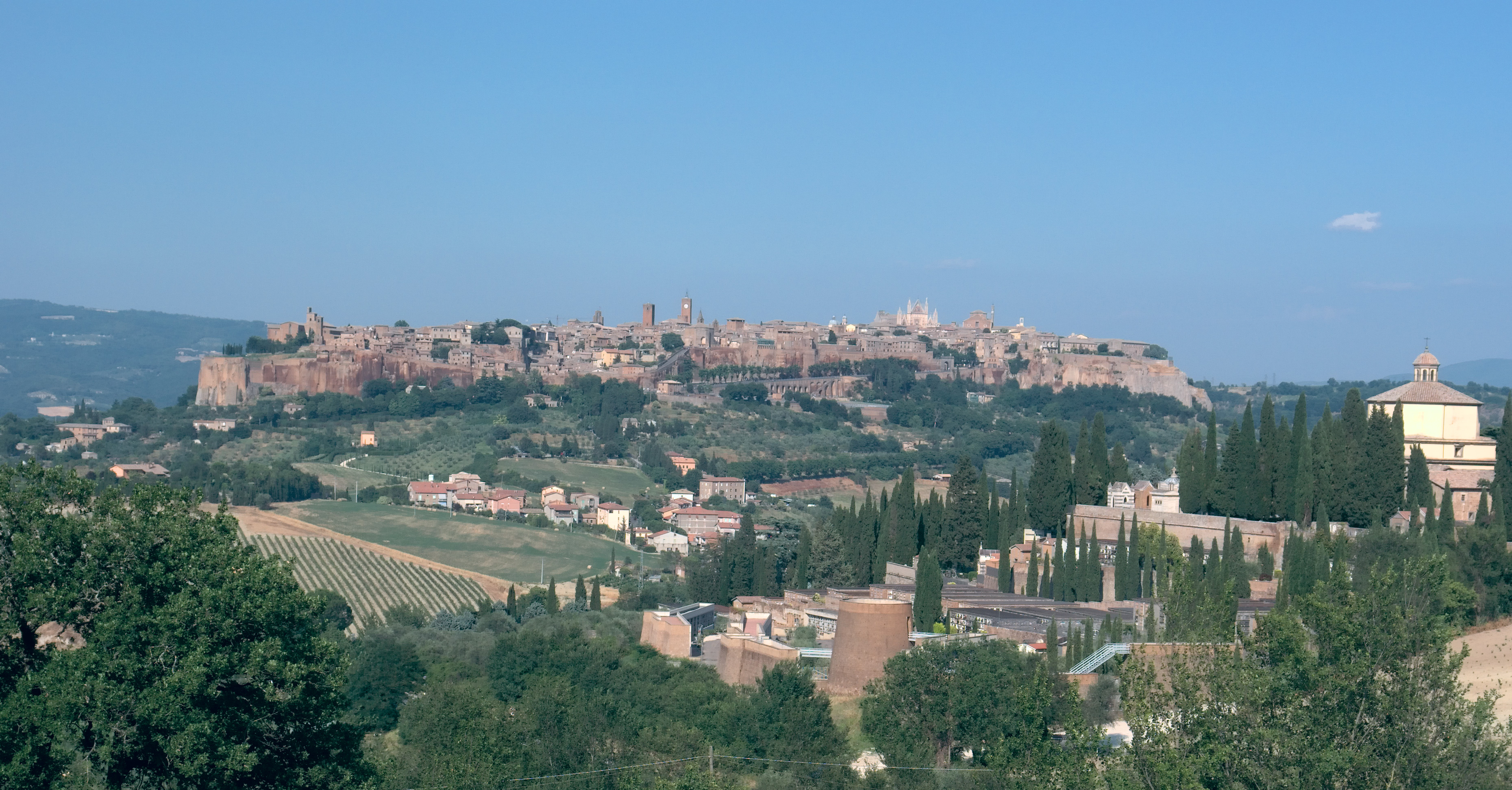
In the autumn of 2023, the free weekly Terrenostre distributed its 10,000th issue across five Umbrian comuni — Assisi, Bastia Umbra, Bettona, Cannara, and Spello. The publication has been printed without interruption since 1999, a stretch that covers the collapse of two national broadsheets and the near-disappearance of several regional dailies. At a time when Italian print advertising revenue fell by 62% between 2010 and 2022, according to data from AGCOM, Terrenostre remained viable through a funding model built around local municipal contributions, classified advertising from small businesses, and a loyal distribution network anchored in tabaccherie and public libraries.
This kind of stubborn continuity is not unique. Across Central Italy's smallest comuni — defined here as municipalities with fewer than 5,000 registered inhabitants — a distinct category of weekly and fortnightly press has maintained a foothold that national circulation data tends to obscure. The papers are short by broadsheet standards: typically four to eight pages. They cover local council decisions, agricultural fairs, obituaries, sports results, and the kind of procedural civic information — road closures, tender notices, school calendar changes — that reaches residents through no other reliable channel.
Who still prints, and why
In the Metauro Valley of Pesaro-Urbino province, Il Metauro has published fortnightly since 2009. Its editors describe the publication as "a free press newspaper, not a promotional insert," drawing a distinction that matters in a region where municipality-funded information sheets are sometimes mistaken for independent journalism. Il Metauro draws advertising from local businesses and maintains editorial separation from municipal sponsors — a model that mirrors what ODG (the Italian Order of Journalists) has identified as a structural differentiator between genuine community newspapers and institutional bulletins.
The Vivere network, covering towns across Umbria from Città di Castello to Norcia, operates differently: it publishes daily online editions for each covered municipality, with print editions circulated on a monthly basis to key public spaces. By 2025, Vivere Gubbio alone covered eight municipalities simultaneously, combining a full-time editor with a network of part-time correspondents who file two to three items per day. According to the publication's internal readership survey (cited with permission), 71% of readers over 60 relied on the print edition as their primary source of local information, while readers under 40 accessed content almost exclusively through the website or mobile notifications.
What makes these papers function differently from regional dailies
The distinction between a regional daily — Il Messaggero, La Nazione, Il Centro — and a small-town weekly is not simply scale. It is proximity. A regional daily might dedicate one page to provincial news across fifteen municipalities; a weekly in Bevagna covers Bevagna alone. The reporter knows which family lost a harvest to late frost; she was at the municipal council meeting when the zoning amendment passed at 11 pm on a Tuesday. This level of granularity is not a supplement to regional coverage — for residents of these comuni, it is the only coverage.
"If we don't write it, it doesn't get written. There is no other journalist coming to this town." — Editor of a free weekly in Foligno's satellite comuni, interviewed November 2023
The financial picture is fragile but not uniformly bleak. Municipalities in Umbria and Marche are permitted under Italian press subsidy law (Law 416/1981 and its subsequent amendments) to allocate a portion of their institutional communications budget to support registered local publications. In practice, this takes the form of paid notice insertions — legal announcements, tender results, public meeting summaries — rather than direct subsidies, preserving a nominal independence while ensuring a revenue floor. Papers that registered with regional press bodies by 2015 were also eligible for EU rural development funds administered through the regional government of Umbria, though take-up was limited by the administrative burden of application.
Content patterns and what they reveal
An analysis of 48 editions of six different small-town weeklies published between January and June 2024, drawn from archived print copies held at the Biblioteca Comunale of Spoleto and the Archivio di Stato of Perugia, shows a consistent content structure:
- Municipal council summaries and administrative notices: 28–34% of editorial space
- Local associations, sports clubs, cultural events: 22–28%
- Obituaries and personal milestones (births, weddings, anniversaries): 14–18%
- Agricultural and environmental news: 8–12%
- Letters from readers: 6–10%
- Advertising (local businesses, classified): 14–22% of total pages
The obituary column deserves particular attention. In several of the papers examined, it functions as a social record with no equivalent in digital formats: names, ages, occupations, surviving family members, and in several cases a brief biography written by a family member or parish priest. This material is not indexed, not archived digitally, and disappears when print runs are exhausted. Several municipal archivists interviewed for this research expressed concern about the long-term inaccessibility of this content once print editions cease.
Pressures and adaptations
Print costs rose sharply between 2021 and 2023 as paper and ink supply chains tightened following the pandemic. Several small weeklies reduced pagination from eight pages to four; others increased frequency of distribution while cutting print runs and relying more heavily on digital PDF distribution via email lists. The latter adaptation is particularly significant in comuni where the local tabaccheria — historically the primary distribution point — has itself closed due to demographic decline and retail consolidation.
Population ageing adds a layer of structural pressure. In comuni with median ages above 48 (a threshold exceeded by the majority of municipalities in the provinces of Perugia, Macerata, and Rieti), print readership is sustained by older cohorts whose engagement with local news through digital channels remains low. When those cohorts shrink, there is no guarantee that younger residents will replace them as print readers — though several editors reported that hyperlocal Facebook groups had drawn younger readers back to the print editions as a source of depth and factual verification that social media does not provide.
Sources
- AGCOM — Autorità per le Garanzie nelle Comunicazioni, Annual Report on Italian Media 2022
- FNSI — Federazione Nazionale della Stampa Italiana
- ODG — Ordine dei Giornalisti, regional press registry data
- Terrenostre — Umbrian free press weekly (Assisi, Bastia Umbra, Bettona, Cannara, Spello)
- Il Metauro — fortnightly free press, Pesaro-Urbino province
- Archived print editions, Biblioteca Comunale di Spoleto and Archivio di Stato di Perugia (2024)

